
I’ve spent more than a decade working in residential plumbing and water treatment, mostly in houses supplied by city water but with plenty of time on private wells too. Hard water problems rarely announce themselves all at once. They creep in quietly, and by the time a homeowner calls me, the damage is often already underway—something I’ve seen and explained in more depth onhttps://www.waterwizards.ai/blog. What surprises people most is how many warning signs they’ve been living with for years without realizing they’re connected.
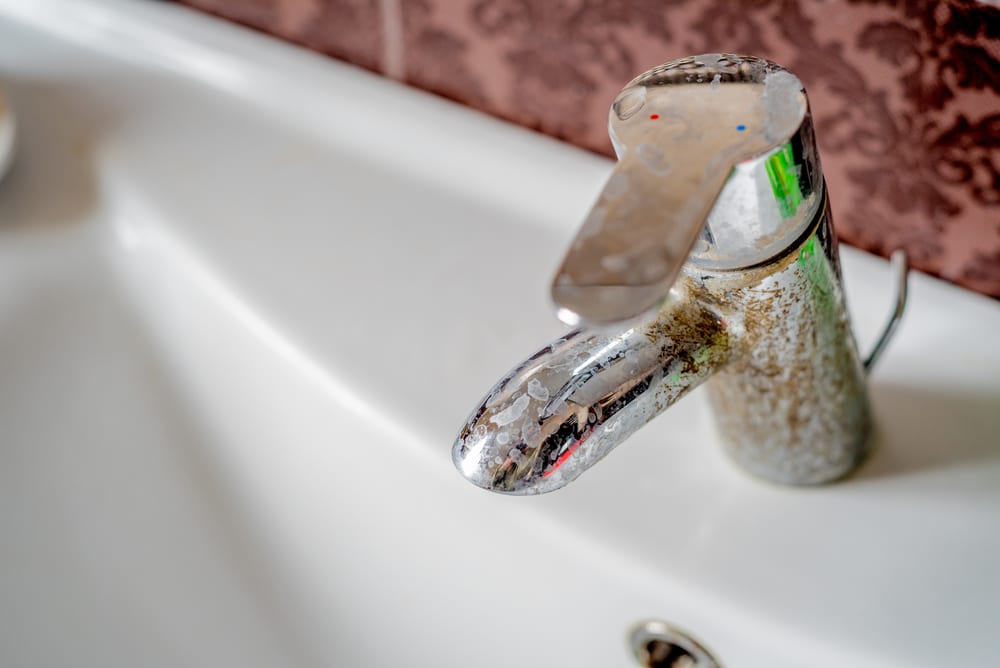
I’ve walked into homes where the owners thought they had bad soap, cheap fixtures, or old appliances, when the real issue was water hardness working behind the scenes.
1. White, chalky buildup on faucets and showerheads
This is usually the first thing I notice when I step into a bathroom. That crusty residue around fixtures isn’t dirt—it’s dried calcium and magnesium. I once removed a showerhead so clogged with scale that the spray pattern looked like it was coming through a pinhole. The homeowner had replaced it twice already, thinking it was defective.
2. Soap that won’t lather properly
If you find yourself using more shampoo, body wash, or dish soap than you used to, hard water may be to blame. In my experience, people often think brands have changed formulas. In reality, minerals bind with soap and reduce its effectiveness, forcing you to compensate without realizing why.
3. Stiff, scratchy laundry straight out of the dryer
Hard water leaves mineral residue in fabric fibers. I had a family tell me their towels felt like sandpaper even with fabric softener. After installing a softener, the towels softened within a few washes—no new detergent, no special cycles.
4. Cloudy glassware and spots that won’t rinse away
These spots don’t wipe off because they’re not surface dirt. They’re mineral deposits baked onto the glass over time. I’ve seen homeowners replace entire dish sets, assuming the dishwasher was ruining them, when the machine was just the messenger.
5. Dry skin and dull hair after showering
Hard water strips natural oils less efficiently than soft water, leaving residue behind instead. I’ve heard this complaint countless times, especially from people who’ve recently moved. They blame the climate or aging, not realizing the water itself changed.
6. Frequent appliance repairs
Water heaters, washing machines, coffee makers—all of them suffer under hard water. A landlord I worked with was replacing water heater elements every couple of years. Once the hardness was addressed, those failures stopped. The savings showed up quietly over time, not as a dramatic fix.
7. Reduced water pressure over time
Scale builds up inside pipes just like it does on fixtures. You don’t lose pressure overnight—it slowly narrows the pipe diameter. I’ve cut into pipes that looked like arteries clogged with plaque. From the outside, everything seemed fine.
8. Longer heating times for hot water
Mineral scale acts as insulation inside water heaters. I’ve measured tanks where the element was buried under buildup, forcing the heater to work harder and longer. Homeowners notice rising energy bills before they notice the cause.
9. A film left behind on sinks and tubs after cleaning
If you clean regularly but surfaces still look hazy, that’s another mineral signature. I’ve had people apologize for their “dirty” bathrooms when the issue was actually water chemistry, not housekeeping.
10. Shortened lifespan of plumbing fixtures
Faucet cartridges, valves, and seals wear out faster in hard water. I’ve replaced parts in relatively new homes that should have lasted twice as long. Hard water doesn’t break things dramatically—it grinds them down.
Hard water doesn’t usually cause a sudden failure that sends water pouring across the floor. It’s subtler than that, and that’s what makes it expensive. The longer it goes unnoticed, the more quietly it shortens the life of everything it touches. When homeowners recognize these signs early, they avoid the cycle of repeated repairs and replacements—and their plumbing stops aging faster than the house itself.